


Understanding UTM specifications helps you choose the right machine for accurate and reliable testing. Here's how to read them step by step.
1 Check the MaximumTesting Capacity

This is the maximum load the UTM can apply, usually shown in kN (kilonewtons).
Example: 100 kN
Make sure the capacity is higher than your expected test load.
2 Look at the Accuracy Grade
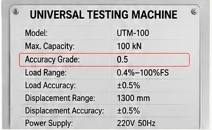

Accuracy grade (e.g., 0.5, 1.0)indicates the precision level of the load measurement.
The smaller the number,the higher the accuracy.
3 Check the Load Range
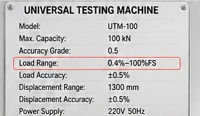
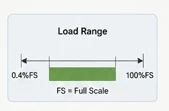
This shows the effective measurement range of the load sensor.
Example: 0.4%-100%FS
A wider range means better versatility.
4 See the Displacement (Stroke) Range
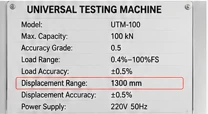
This is the maximum travel distance of the crosshead.
Example: 1300 mm
Choose a range that fits your test requirements.
5 Check the Load and Displacement Accuracy
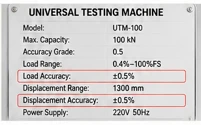
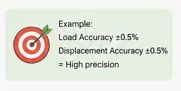
These values show how close the readings are to the true values.
Example: Load Accuracy 0.5%
Lower percentages mean higher accuracy.
6 Review Other Important Specifications
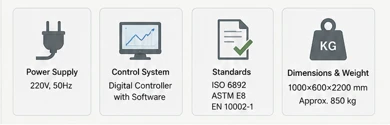
· Power Supply (e.g., 220V, 50Hz)
· Control System
· Dimensions & Weight
· Standards (e.g., ISO, ASTM, EN)
These help ensure the machine matches your working conditions and testing standards.
Remember: Always choose a UTM based on your test material, required capacity,accuracy,and applicable standards.If you are unsure, please feel free to contact us, and our technical team will provide you with professional solutions.
Example:
Q: What UTM capacity do I need for metal tensile tests?
A: It depends on the tensile strength of your metal samples. Contact our engineers for matching model recommendations.


